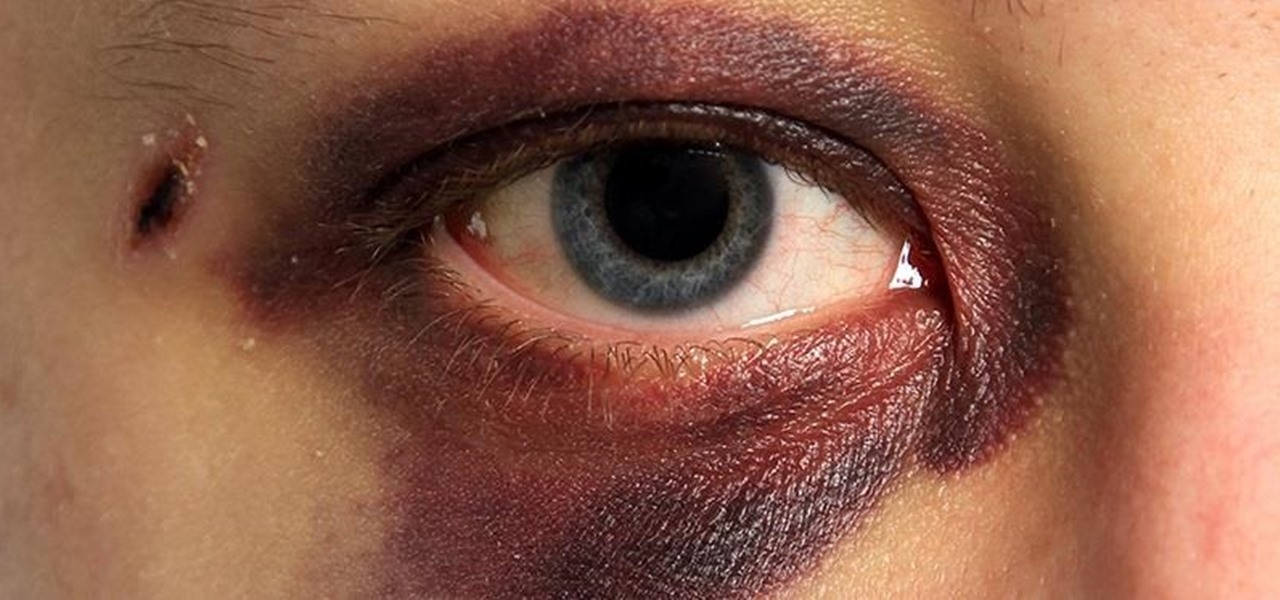
Showing posts with label double eyelid surgery australia. Show all posts

Thursday, 18 December 2014

The Facts About Double Eyelid Revision

Over the recent years, double eyelid surgery has seen the rise in popularity and has even ranked as one of the top five most requested surgical cosmetic procedure according to many statistics. And when you go in a clinic for a double eyelid surgery consultation, there is definitely that ultimate end goal that you always keep in mind – and that is to come out feeling truly satisfied with the results after finally deciding to undergo a successful cosmetic procedure.


But as with any cosmetic surgery, the possibility of risks and complications can happen and should never be undermined. While extremely rare, a poor double eyelid surgery result can happen, especially if you approached a cosmetic surgeon who lacks the extensive professional experience to perform the procedure. 

And an independent study has revealed that one in five cosmetic surgery patients are unhappy with their cosmetic surgery results without it necessarily being a botched procedure. Major plastic surgery associations do not keep data of redo’s or revisions. However, if you are one of the few unfortunate ones who belong to the unaccounted statistics, there is a way to correct a poor double eyelid surgery outcome. And that is with a double eyelid surgery revision.


What is Double Eyelid Surgery?


Double eyelid surgery revision is a cosmetic procedure that involves correcting a previously performed double eyelid surgery that has resulted in a poor aesthetic outcome. This is typically requested because of insufficient evaluation during consultation with the patient, poor use of technique and poor execution during the first procedure. Sometimes, poor tissue healing can be a factor in an unsatisfactory result, which can lead to a revision procedure.


While some would consider that double eyelid surgery is a very simple cosmetic procedure because it only involves operating on a very “minor” body part, it actually requires aesthetic finesse and technical expertise on the part of the surgeon to create a natural-looking and balanced outcome.


At the onset, when you seek to get your first double eyelid surgery done, it is important that you openly discuss with your doctor the healing and recovery process that is involved in your treatment. It is important to note that it takes about ten months to a year before you will be able to see the final results. However, after the swelling has subsided after two weeks from your date of operation, you will be able to see a noticeable degree of the surgery outcome.


That is why it is important that you allow your eyelids enough time to properly hear before deciding on getting a revision surgery done. It is even suggested that you wait until after six months from your date of surgery. This is because minor flaws will gradually improve and disappear as your eyelids heal.


Aesthetic Issues that Require Revision


However, there are some serious imbalances that may require a double eyelid surgery revision. Here are some of the most common problems that may require a revision procedure.  


  1. Unsatisfactory height of the eyelid folds

A common reason for getting a double eyelid surgery revision done is that the eyelid folds are either too high or too low.


Changing a double eyelid fold that is too low to make it higher is a relatively easy procedure to perform. This is usually corrected with a non-incision technique by creating a new fold. The former lower fold will become negligible as the new higher fold becomes dominant.


However in the case of too high eyelids and making lower, it involves a much more sophisticated approach that require great surgical expertise. If you still have excess skin on your eyelid, your surgeon will need to excise the excess skin and create a new fold that is lower. On the other hand, if there is no excess skin, it involves a more elaborate technique of undoing the previous crease and buffering the eyelid with fat before a new crease is created.


  1. Loosening folds

This can be caused by either the inability of the fatty eyelid skin to support the sutures or the sutures are not tightly set in place to create the crease. In this case, your surgeon will simply recreate or reapply the suture with or without the need to remove the previous sutures.


  1. Mismatched double eyelids

Asymmetry is major concern when getting a double eyelid surgery done. But before considering revision, you need to observe the eyelids first one to two months after the surgery. However, when a noticeable difference is still observed after six months, that is the time to get a consultation done for a revision. For the case of mismatched double eyelids, your doctor will properly assess the appropriate course of action, which may involve altering the height of either of the eyelids.


It is important to take note, though, that seeking for perfectly symmetrical eyelids is unrealistic. Your doctor will assess the natural shape of your eyes and will work his best at achieving a balanced outcome, rather than strive for perfection.


  1. Formation of multiple creases

An absence of a defined crease coupled with multiple folds is also one common reason to get a revision done. This can be caused due to inadequate deep fixation, excessive fat removal and/ or possible damage to the levator muscle complex. Correcting this involves making an incision on the existing scar and retrieving the remaining orbital fat from the eyelid to eliminate infolding of the underlying skin. This will create that one defined eyelid crease.


  1. No noticeable crease after surgery

This can result when there is no adequate fat that extends forward from the socket, which creates the formation of multiple creases, as mentioned earlier. This occurrence can make the eyelid seem aged. This can be corrected by performing the same technique as in correcting multiple creases.


  1. Ptosis

One of the more serious results of poor double eyelid surgery is when ptosis has developed. This usually occurs for patients who have a borderline ptosis condition that was not accounted for during consultation. This can result to droopy upper eyelid, covering the crease created. This can be corrected by performing a ptosis surgery instead, which involves tightening the eye elevating muscles and excising the excess skin that droops over the crease.


It usually takes a year or more from your date of surgery to be able to see the final results. The healing and recovery involved is generally the same as that with your first double eyelid surgery.


Who to Approach?

When getting a revision done, you can still approach the same surgeon who performed your first surgery if you are still confident with his expertise and credentials. Otherwise, you can seek the advice of another cosmetic surgeon who is more competent and has the extensive experience in performing revision surgery.


A double eyelid surgery revision is doubly complex and delicate as with double eyelid surgery. It is important that you are able to thoroughly discuss the process, techniques and healing process involved with your double eyelid surgery revision. This way you are equipped with the proper information that will help assure you of a satisfied result. Also, always keep in mind a realistic expectation with your surgery.


If you looking for a qualified double eyelid surgery doctor to enhance your facial features, you can trust that Dr. Andrew Kim of Advance Beauty Cosmetic Surgery will provide you with a comprehensive assessment and personalized treatment. Dr. Kim is renowned cosmetic surgeon Australia who specializes on performing double eyelid surgery. Call us now to schedule a free consultation with Dr. Kim today!

Thursday, 18 September 2014

8 Common Pre Operative Testing for Cosmetic Surgery

It is quite normal for most people to think that getting a cosmetic surgery, like a rhinoplasty or double eyelid surgery, involves just getting in to the doctor’s clinic, get the procedure and reap the results after the recovery period. But little do people know that surgical cosmetic procedure involves more than that. There is, of course, the ever-crucial consultation process, which may not necessarily involve just one session. This part of the cosmetic surgery is indeed as important as the surgical day itself for the doctor to really give you the desirable and realistic results that you are seeking for.

However, in certain cases, your doctor may require you to undergo pre operative lab work and tests prior to your cosmetic surgery. While there are no hard and fast rules regarding the specific tests to be conducted, these will help your surgeon assess any health factors that could possibly affect the procedure and/ or your healing after the surgery has been done. This is to also help minimize any risks that may occur during the operation. Simply, pre operative testing will help your doctor determine whether you are healthy enough to undergo your surgical cosmetic procedure.

The type of tests that will be requested by your doctor will vary depending on the initial consultation session, your medical history, as well as the type of surgical cosmetic procedure to be performed. It is even important to note that your surgeon may not even require you to undergo any of the tests indicated below, especially if you are considered healthy during your assessment and consultation.

Blood Work

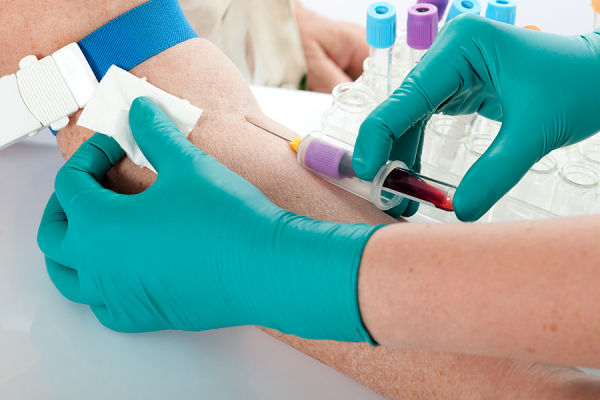
The blood work is one of the most common pre operative tests conducted. In most cases, the Complete Blood Count or CBC may need to be in order. This will include count for your red blood cells, white blood cells and platelet, among others, to determine whether you are anemic, have a blood clot disorder or other diseases that can affect the procedure and healing.

Ensuring that your blood health is in tip top condition is important, especially because any type of cosmetic surgery no matter how minor it is will involve incisions and some degree of blood loss. Blood work will point out any blood disorders that could result in uncontrolled bleeding. This will also help your doctor determine whether you have anemia. In this case, iron supplementation will be prescribed to reverse the condition.


The blood work will also let the doctor see if you have any infection in your body should your white blood cell count show too low or too high of the normal range. This consideration is certainly important, especially when the procedure involves the insertion of an implant like in the case of a rhinoplasty.

Any abnormality in any of your blood count could mean postponement of your procedure until the reasons are determined.

Electrocardiogram (ECG or EKG)

Essentially, the ECG is a medical test that tells if your heart is in good condition through detecting any heart abnormalities by measuring the electrical activity of the heart when it contracts. Cosmetic surgery basically causes tremendous stress on the body, with the heart being one of the most important organs when it comes to stress response. That is why it is crucial for the doctor to assess whether your heart can endure the trauma during the operation. While the ECG may not be able to predict future heart attacks, it can indicate whether you have experienced any attack in the past without you knowing it. Mainly, your heart should be able to endure and strong enough to survive the stress of cosmetic surgery to your body.


The ECG can also check the heart condition or diseases, such as high blood pressure, diabetes or cigarette. All of these can have a great in effect in performing the procedure and the healing period. In most cases, patients over the age of 40 are usually required to undergo this test.

Chest X-Ray

The Chest X-Ray is also one of the tests that may be required for your procedure. This is usually carried out to check the condition of your lungs and see whether you have breathing difficulties when you are put in anesthesia. This test is especially requested if you are a smoker or have a history of smoking. Signs of pneumonia or any breathing disorder may result to the postponement or cancellation of your surgery.

Urinalysis

While it may be less likely that you will need to undergo urinalysis, the test will help the doctor identify abnormalities or infection. Urinalysis can help detect urinary tract infection or UTI, diabetes and hypertension.


Chemical Panel Test

Apart from the Complete Blood Count (CBC), your surgeon may also require you to undergo Chemical Panel Test or also known as Blood Chemical Test. This test includes a comprehensive assessment of your blood sugar, uric acid, creatinine, sodium, potassium, chloride, calcium, phosphorus, protein, iron and lipid profile, among many others. This will allow the doctor to check for any chemical imbalance, which can signify an abnormality of any of the major organs, like the liver and kidney.

Also, this will help the doctor prescribe the necessary medication or supplementation needed to normalize the levels of chemicals in your body. This will help ensure a smooth operation and speedy recovery.

Pregnancy Test

This test is reserved for women who are considering undergoing cosmetic surgery and suspect that they are pregnant. It is important to take note that cosmetic surgeons will not operate on pregnant women, unless absolutely necessary. However, since most cosmetic surgery are non-vital, it is best to postpone the procedure after giving birth. It may even be wise that you do a pregnancy test even before going for a consultation schedule.


Mammogram

The mammogram is typically required for women who want to get breast augmentation or breast lift done. This is to help detect signs of breast cancer.

Psychological Screening

Undergoing a cosmetic surgery is not just about preparing your body for the procedure, but patients also need to be mentally prepared, as well. According to an inquiry posted in the American Society of Aesthetic Plastic Surgery (ASAPS), a certain Dr. Gary R. Culbertson said that, “No, psychological evaluation are not a requirement for plastic surgery. However, certain practitioners find them very useful in patients they consider may have psychological or psychiatric issues. Some examples would be a patient that appears to have an exaggerated concern over a minor or nonexistent problem or a patient that has undergone repeated surgical procedures by other surgeons/ physicians. The concern is over what is called Body DysmorphicSyndrome.  Often the reason why these surgeons are performing these psychological evaluations is in the best interest of their patients. Body Dysmorphic Syndrome is most appropriately treated by medical treatment not surgical intervention.”


This is statement supported by a few other board-certified plastic surgeon-members of the organization. That is why there is a great importance and emphasis of always having realistic expectations of your results. A credible cosmetic surgeon will objectively discuss with you recommendations based from your expectations and at the same time consider that overall harmony and balance of your other features. In the case of rhinoplasty, the new and enhanced nose should not overpower the face, but complements the entire face instead.

If you are looking for an excellent rhinoplasty and double eyelid surgery surgeon in Australia, you can trust that Dr. Ahnsup Andrew Kim of the Advance Beauty Cosmetic Surgery will be thorough in his evaluation during your consultation. Dr. Kim is known for his attentiveness in his patients, so make sure that you disclose any medical conditions so that the proper pre operative tests will be recommended to ensure a safe procedure and speedy recovery.

Call us now and schedule your free consultation with Dr. Kim now!


Tuesday, 8 April 2014

What You Need to Know About Wearing Make-up After Double Eyelid Surgery

One of the major concerns when getting a cosmetic surgery done is to effectively hide the fact that you had one done. This is probably because most patients would want to maintain the impression that their enhanced features are still natural. Also, this is to avoid any social stigma that is associated with plastic surgery. It does not matter whether it is a major surgical procedure, like a facelift, or a minor procedure, such as a double eyelid surgery. Even minimally invasive treatments, like Botox and fillers, are performed in several sessions to make it less noticeable, as experts say.


Image source: http://www.bridalbyliz.com/


How To Conceal A Double Eyelid Surgery


As with any cosmetic procedure, the recovery period after a double eyelid surgery is certainly one of the most excellent ways of keeping yourself from being seen in public after having the procedure done. This is, of course, apart from its basic benefit of allowing your eyelids to completely heal and recuperate from the surgery. However, there are moments when it is inevitable that going out in public is necessary. A clear example is doing simple chores like grocery shopping.

Image source: http://www.wallpopper.com


It is important to take note that after the procedure, your eyelids will have obvious swelling for the first two to three days. The most efficient way of concealing it when out in public is to definitely put on a protective eyewear. It shields your eyes from dust, dirt and bacteria, as well as the the harmful rays of the sun. Your eyelids will be very sensitive to sunlight, and excessive exposure can impede the healing process.

Once the swelling has subsided, it is understandable that you will be eager to return to your usual activities, and wearing make-up can help you with that. But the question is, when is the best time to wear make-up again after a double eyelid surgery. whether if it’s safe and recommended.

Image source: http://www.stylecraze.com/


The Importance of Make-up


Most women use make-up to enhance and highlight their facial features. This is probably the most common use of cosmetic products. Wearing a lipstick can help make the lips look fuller, a blush-on enhances the contours of the cheeks, or it could be used to give the illusion of a more heightened nose, and eye make-up can make the eyes stand out.

Also, the ability of make-up to conceal imperfections has certainly made it a popular solution for women who are suffering from acne, pigmentation and other skin conditions. American model and online personality, Cassandra Bankson, has became an Internet sensation when she posted a video of her showing how she uses make-up to cover-up her severe acne condition and skin imperfections with the use of cosmetic products.

Image source: http://www.ivillage.ca/

In the case of double eyelid surgery, wearing make-up can help cover up the temporary scarring that may be noticeable when closing your eyes for the first few months.

Because of this, make-up provides women the power to change or enhance their natural features and hide their flaws. This, to a great extent, is able to change a woman’s personality and give that extra boost of confidence and self-esteem.

An article in the International Business Times discussed that make-up can even elicit trustworthiness and likability, according to recent studies. Arnaud Aubert, experimental psychologist and associate professor at the Université François-Rabelais Department of Neurosciences in France, discussed about how make-up changes people’s perception of each other saying, “If the brain is distracted by imperfections, it processes less and so has a weaker social assessment of the person it is looking at.”

The Best Time To Wear Make-up


Generally, it is ideal to avoid applying make-up on your eyes two to three weeks after you had a double eyelid surgery done. The incisions on your eyelids are still healing during this period and the risk for infection and irritating the new wound is high.

Ingredients found in most cosmetic products contain chemicals that can be irritating to a healing incision or wound. This also applies to the solutions and creams that are used to remove make-up. Possible infection can also be aggravated from the constant rubbing when applying and removing cosmetic products on the eyelids.

It is usually recommended that you can start wearing make-up again one week after your doctor has removed the stitches from your eyelids, which is usually done five to seven days after the date of surgery. The incisions would have properly healed and sealed by this time. It is important that you gently apply and remove make-up.

However, it is more important to understand that the healing time and process differ from patient to patient. There are patients who may experience delayed wound healing. This means that the use of make-up to cover up any minor and temporary scars may also be delayed. That is why it is crucial that you discuss this with your doctor during your visit when having the stitches removed. More than trying to cover up the bruising or temporary scars and enhancing your new eyes, it is always best to put the healing of your eyelids as your priority.

Eye Make-up Safety Tips


Knowing the essentials make-up safety for your new set of eyelids is as important as being aware of when to wear it again after a double eyelid surgery.

It is important to always wash your hands with a germicidal soap before applying make-up to your eyes. Your fingers can harbor a handful of bacteria, which can transfer germs to your eyes and may infect the healing scar. Also, it is advisable to use disposable applicators instead of the non-disposable ones to avoid bacteria to grow and transfer.

Image source: http://makeup-lab.com/

With the busy lives that most people lead, a lot of women have a habit of applying on their make-up while inside of a car in motion or when driving. This increases the possibility of accidentally stabbing or poking your eye with the applicator. While your stitches may have closed up, this can still be very sensitive up until four weeks post-surgery. That is why it is important to avoid wearing make-up while in riding a moving vehicle.

Lastly, choose the eye make-up that is right for your skin sensitivity and type. It is recommended to use eye make-up that is hypoallergenic or labeled for sensitive skin. This reduces the risk of allergic reactions. You can use mineral make-up, which is devoid of chemical oils, preservatives and other skin irritants. It is also long-lasting and has a long and stable shelf life.


Basic Make-up Tips For Even Bigger Eyes


The main advantage of getting a double eyelid surgery is that you will have bigger, bolder and brighter eyes because of the eyelid crease that you now have. Of course, you would want to highlight that, right? Here are a few basic make-up tips to make your new eyes even bolder once your eyelids are fully healed.

Image source: http://eyemakeuptrend.com/

  • Start with a mascara. This will instantly create a definition to your eyes from the rest of your facial features.
  • Making the eyes look bigger is not just about putting eye make-up on the eye area itself. It is important that you define and fill your brows, starting from the outer corner.
  • Draw a thin line using eyeliner right above the lash line from the inner corners and applying it slightly thicker going outwards. Slightly extend the eyeliner beyond the outer corners of your eye to make it look bigger.
  • You can also apply eyeliner below your lash line halfway and make sure not to let the line come all the way to the inner corner.
  • To make the eyes look even noticeably bigger, you can line your waterline with a white liner.
  • You can also add a soft white eyeshadow or liner to the inner corners of your eye.
  • It is best to use a neutral shade on your eyelid and add drama by tapping a shimmery shadow on the center of the lid.

Your Doctor Knows Best


Make-up can certainly help you hide the fact that you had a double eyelid surgery done. It also enhances your eyes once it has fully healed. But, it is very important that you heed your doctor’s advise before applying it on your healing eyelids. It is also beneficial for your recovery to stick to the guidelines and post-operative instructions.

At Advance Cosmetic Beauty Surgery, Dr. Ahnsup Andrew Kim will provide you with all that you need to ensure proper healing and speedy recovery so that you can return to your normal lifestyle, with or without make-up. This will be discussed during your free consultation with Dr. Kim before your double eyelid surgery procedure, along with pre-operative instructions and how the entire procedure works.

For consultation booking, call (02) 9280 3632 now for a free consultation with Dr. Kim or visit their clinics in Brisbane, Canberra, Melbourne Sydney.


Wednesday, 5 March 2014

Oculoplastic Surgery: A Detailed Look at the Top 7 Types

Whenever the term eye surgery is mentioned, most of us would automatically associate it with procedures that have something to do with correcting the vision and the anatomy of the eye. We might be more familiar with procedures like cataract surgery or LASIK treatment. But ophthalmology, the medical field that deals with the physiology, anatomy and diseases of the eyes, covers a wide range of scope that is not just limited to correction of visual problems.

Interestingly, the field of ophthalmology is not just about the very eyeball itself. A special subfield called Oculoplastic Surgery covers procedures that go beyond the very anatomy of the eyes and specializes in reconstruction of the associated structures of the eyes. This includes the eye socket, eyelids, tear ducts and even the face. Typically, oculoplastic procedures are performed by opthalmologists. However, a growing number of plastic surgeons are also trained to perform these very meticulous procedures in improving the overall appearance of the eyes and the entire face, as well. Let us go through some of the oculoplastic procedures.


Double Eyelid Surgery

Blepharoplasty, or more commonly known as double eyelid surgery, is probably the most popular of the all the oculoplastic procedures. Double eyelid surgery is even listed as one of the top 5 cosmetic procedures according to the 2012 Statistics of the American Society for Plastic Surgeons.

Image source: Snappy Pixels

This procedure is commonly performed among Asians who naturally do not have the crease on the upper eyelids, making it a popular cosmetic procedure in this ethnic group. This facial characteristic reflects an appearance of being disinterested, distant and dejected. The procedure, which usually lasts between one to three hours, will result to an eye that looks more open and engaging. It entails making an incision on the upper eyelid and remove excess fat, skin and muscles to create a natural-looking crease on the upper eyelid.

Double eyelid surgery can also be performed on patients who are experiencing drooping of the upper eyelids caused by aging, as well as, mild to moderate ptosis. Others whose vision are affected because of a droopy eyelid can also benefit from this oculoplastic procedure.


Epicanthoplasty

Epicanthoplasty is a procedure that can be performed in conjunction with a double eyelid surgery. It involves the removal of the epicanthic folds, which are the skin folds on the upper eyelid that is covering the inner corner of the eye. This makes the eyes look smaller and thinner than they really are. Epicanthic folds are more evident and visible among individuals with certain medical conditions, like Down syndrome. This is also a distinct characteristic most common among Eastern and Central Asians, Native Americans, Inuit and certain tribes in Africa. This kind of eye condition is not harmful, and epicanthoplasty is performed for cosmetic purposes.

Image source: kosmokhaos.tumblr.com

While the epicanthic folds may be considered a minor part of the eye, but only a skilled doctor should perform an epicanthoplasty, as the folds overlay the tear drainage canals. The procedure involves reshaping the exterior to give a double eyelid look and give a more pronounced and more open look to the eyes. However, this kind of procedure is not recommended by most doctors because of the high tendency to develop post-surgical scars and can result to an unnatural look.


Tarsorrhaphy

While the first two surgeries involve opening up the appearance of the eyes, Tarsorrhaphy, on the other hand, is a procedure that is performed by partially sewing the eyelids together to a narrow opening. This is done as a precautionary medical procedure to protect the eyes, where blinking is hindered that may cause the cornea from drying.

Stitches are meticulously placed at the corners of the eyelid opening, which allows better eye lubrication and limits the exposure to the eye. This is a rare procedure that is usually performed for patients suffering from paralysis, like Ball’s palsy, exophthalmos, enophthalmos, Sjogren’s syndrome and dendritic ulcers. This procedure is also performed to fix eyelids that droop due to sun damage and prior eyelid surgery.


Dacryocystorhinostomy

We often associate tears with sadness or heartbreak. But, did you know that tears actually help protect the eyes? However, there are cases where the tear ducts or the nasolacrimal duct is blocked. Epiphora or abnormal tearing occurs where tears build up and overflow to the cheek even when you are not crying. Infection can also occur because of the stagnation of the tears.

Image source: Unique Optique

This is quite common among children with about 5% of born babies have a problem with their tear ducts. But, about 85% of these get better as they grow old. In adults, epiphora can be a result of an injury or trauma.

Dacryocystorhinostomy is performed by carefully making an artificial channel of the nasolacriminal sac into the nasal cavity to alleviate the symptoms. This can be done externally or with the use of an endoscope. For cosmetic reasons, the endoscopic approach is more popular because it is less bloody and messy, no visible external scarring, perioperative time is shorter and high success rate.


Orbital Eye Surgery

This type of oculoplastic procedure is performed when the orbit or eye socket is damaged because of a severe injury or trauma. This can usually result from being hit directly in the eye with enough force to break the thin bones below the eye and between the eye and the nose. This can also happen from motor vehicle accidents, sports injuries and falls. Because of this, decreased vision, double vision, immobility of the eye balls, pain and number in and around the eyes and nausea and vomiting can be experienced.

Image source: Wonder How To

Before an orbital eye surgery can be performed, a CT scan will be required to assess the severity of the injury. From there, the surgeon will perform the best surgical approach while carefully preserving the function and vision of the eye.


Brow Lift and Face Lift

These procedures may be very common cosmetic procedures, but brow lift and face lift are actually considered within the category of oculoplastic procedures. The procedures involve making incisions within the area of the hairline to remove excess fats and tighten the underlying muscles. These procedures can be done to correct and elevate a drooping eyebrow, which can look cosmetically-challenged or it can obstruct proper vision of an individual. However, it is important to approach a surgeon that is qualified to perform these types of procedures. This is because not all oculoplastic surgeons are trained to perform brow lifts and face lifts.


Botox and Facial Fillers

Interestingly, even Botox injections and facial fillers are well within the scope of oculoplasty. This is especially so when the administration of these anti-wrinkle solutions are performed within the eye area.

Image source: Her World Plus

Getting the right procedure for areas within the eye is as important as the very eye itself. That is why it is always crucial to approach a doctor who will know which procedure should be done for either your eyelids, eye socket, tear ducts and the face.

If you are looking into enhancing your overall feature by getting a quality and natural-looking double eyelid surgery, Dr. Ahnsup Andrew Kim of Advance Cosmetic Beauty Surgery will take a closer look at your eyes and eyelids to properly assess on how the procedure can enhance your natural beauty. Call (02) 9280 3632 now for a free consultation with Dr. Kim.