Showing posts with label cosmetic surgery. Show all posts

Thursday, 16 April 2015

What You Need to Know About Giving Cosmetic Surgery as a Gift


Are you sick and tired of giving the same, run-off-the-mill gifts to your spouse, parents, sibling, or friend during special occasions? You can only give so much material things that only take up space in the house. Well, fret no more. Happiness is the best gift anyone can give and here’s a gift idea that will bring a smile across their faces and yours as well – the chance to boost your confidence with your appearance with cosmetic surgery.

Increasing Popularity

It may be a strange gift to a loved one, but cosmetic surgery as a present is not a novel idea at all. In fact, over the past two years in the United States, plastic surgeons and dermatologists have noticed that more and more people have been giving plastic surgery as a gift, especially during the holiday season. Cosmetic surgery is a major splurge, making it an easy addition to a gift wish list. 

In fact, cosmetic surgery procedures are a common gift during Christmas time, not only because it is a great holiday gift, but also because the patients would have ample time to get the procedure and still have enough time to rest and recuperate. In the same vein, patients would be able to attend parties and get-togethers and welcome the new year with a new look.

And it may come as no surprise that rhinoplasty and double eyelid surgery come out as two of the most popular of these cosmetic procedures. These two cosmetic procedures done on considerably minor parts of face can actually create a significant change in how a patient will look like even with just a minor tweak.

Advantages of Giving Cosmetic Surgery as a Gift

One advantage of giving such surgical procedures as a gift is that it can be claimed anytime, although it is also subject to the terms and conditions of the surgeon or the clinic which offers these surgical procedures. Therefore, clients will have the luxury of choosing when they are ready undergo the procedure.

Another advantage is that the recipient will always remember the gift you gave them. However, it is extremely vital that you only choose a reputable surgeon when you consider giving cosmetic surgery as a gift. After all, you only want to give the best to your loved ones. And for sure, your loved ones will love you more after the successful procedure.You would not want to be that person who gave a friend or a special someone a cosmetic procedure for a gift but with disastrous results, right?

Also, while it is a nice gift, it will still be up to the surgeon to assess whether the patient is qualified to undergo the surgery. Dr. Barry Weintraub of New York’s 5th Avenue Cosmetic Plastic Surgery says that regardless of who will foot the bill, he still needs to assess and evaluate the candidates before they undergo rhinoplasty or double eyelid surgery.

A Few Other Considerations

Apart from the ever important consideration of selecting a credible and board-certified cosmetic surgeon, here are a few things to consider prior to getting your family and friends a cosmetic surgery gift card.
  1. Would the recipient appreciate your gesture or be offended by it?

Getting cosmetic surgery as a gift is a touchy matter. That is why it is important that you ensure that the person you are giving it to really wants to get the surgery done. Know beforehand whether the person desires to have his or her nose improved or upper eyelids enhanced.
  1. Would this procedure be appropriate for the patient? Will it contradict with the present condition or medication currently taken by the patient?

Not everyone will immediately be considered a good candidate for cosmetic surgery. Certain conditions and medications may prevent some patients from getting the procedure done. While most can be addressed through interventions, this may take cause a delay in your loved one from getting procedure when they want it.
  1. Is the recipient of legal age?

According to the 2013 Plastic Surgery Report of the American Society of Plastic Surgeons, 14% of rhinoplasty procedures were performed among patients in the 13-19 years old age range. However, it is important for you to understand that the nose and the eyelids will still continue to change in its structure until around 18 to 20 years old. Only then, procedures like rhinoplasty and double eyelid surgery is recommended, unless when performed due to medical reasons and not because of cosmetic needs.

  1. Do you and the patient understand the risks involved in the procedure?

While you might think that a rhinoplasty and double eyelid surgery are relatively minor surgeries, the fact is that it is still a surgical procedure and highly invasive at that. This means that it involves serious risks, complications and side effects. Regardless of the expertise and experience of your chosen surgeon, you cannot discount this very nature of any surgical procedure. It is then very important that you consider the safety and well-being of your loved one by making sure that they understand everything that is involved with the procedure.
  1. Is the plastic surgeon from whom you will be seeking these services duly licensed, trained, and experienced?

Remember, you are giving this very serious gift to a loved one. You do not want to put them and their safety in the hands of an inexperienced and incompetent surgeon. Get the services of a cosmetic surgeon who has a wide experience specifically in performing rhinoplasty and double eyelid surgery. Make sure that they have a long list of successful clientele and have a low revision surgery rate. It is best to choose the services of a surgeon who is board certified by either the Australian Society of Plastic Surgeons, Australasian Society of Aesthetic Plastic Surgery and The Australasian College of Cosmetic Surgery.

  1. Did you consider quality of work over discount prices?

Cosmetic surgery as a gift is not one that you skimp price on. Be wary of overly low cosmetic surgery packages, promos or discounts. Be cautious with advertising price cuts, as this can also mean a cut in the quality of work. Make sure that you get a reasonably priced service that is not too low from the other clinics. Instead, you can look out for clinics who offer financing options for you to choose from in the manner of your payment for the cosmetic surgery gift.

If you answered yes to most of these questions, then go ahead and give us a call today at Advance Beauty Cosmetic Surgery. Our specialist, Dr. Andrew Kim is a board-certified cosmetic surgeon who has had a wide experience in performing rhinoplasty and double eyeid surgery. We have clinics in Canberra, Brisbane, Melbourne and Sydney. If you are sold on giving cosmetic surgery as a gift to your loved one, call us now or fill-out our inquiry form today!

Wednesday, 19 November 2014

What You Need to Know About Anesthesia

If there is one thing that is most associated with rhinoplasty and double eyelid surgery, or any surgical cosmetic procedure for that matter, is that it involves pain. That is why anesthesia plays a huge part in performing such procedures. It is one of the main considerations that is taken into account even during the consultation process. But, anesthesia is always placed at the backseat and rarely do patients think about it. And that may also be the case for you. So before you head out to a cosmetic surgeon’s clinic, here are some of the important things that you should know about anesthesia.


What is Anesthesia?

In its truest sense, anesthesia is the state where a patient is temporarily placed in a condition of unconsciousness, muscle relaxation and loss of pain. The term is often confused with the medicine used to induce this state, which is more appropriately called as anesthetics. Anesthesia is a distinct medical intervention that allows a doctor to effectively perform another medical procedure by relieving pain and sensation during surgery.


There are several forms of anesthesia, which uses one or more types of drugs or anesthetics to achieve the goal of inducing the loss of sensation. This is generally classified into three different types. These are usually administered in various ways, either through injection or gas or vapor inhalation, and affect the nervous system differently in blocking the nerve impulses, which results in the reduction of pain. And as with most people, it can get a little confusing how each one works. So here is a simple and definitive guide for you to know.


General Anesthesia

This is the type of anesthesia that is the most commonly known and one that a majority of people thinks of when anesthesia is referred to. General anesthesia suppresses the activity of the central nervous system and affects the entire body. You will be completely unconscious during the entire medical procedure as though you are asleep. Because of this, you will feel the following when under general anesthesia.

  • You do not feel any pain.
  • You will remember your surgery.
  • You are not aware of what is going on.
  • Your reflexes, specifically your heart rate, slow down and muscles relax.


It is often inhaled through a breathing tube or mask or through the vein. Usually, the effects are immediate with the patient being unconscious within one minute after the induction. You will then regain consciousness in the recovery room. This is usually done for rhinoplasty procedures.


Local Anesthesia

Another type of anesthesia is local anesthesia, where it only affects a small area of the body or patch of skin insensitive from pain . This is the form of anesthesia that is commonly used in dental procedures, minimally invasive skin treatments and minor cosmetic procedures, like double eyelid surgery. It blocks specific nerve pathways that cause reversible paralysis and analgesia or reduced sensation. With local anesthesia, you will be completely awake and aware during the entire procedure and may still feel pressure. It comes in the form of creams, gels and sprays, but may also be administered through injection.


Regional Anesthesia

Regional anesthesia is most often confused and interchanged with local anesthesia. However, regional anesthesia affects a large part of the body, such a limb or a wider region of the body. It blocks single nerve or a group of nerves. Most of the time, you will be awake during the entire procedure to allow the doctor to still converse with the patient throughout the operation. However, a sedative may be administered to help you feel relaxed. Regional anesthesia is commonly used for labor and childbirth. It may be given in a single injection, intravenously or through a catheter. The common types are epidural anesthetic or spinal anesthetic.


Procedural Sedation

Lastly, Procedural sedation, or commonly referred to as twilight anesthesia, is a type of anesthesia that is most often performed in minor cosmetic surgeries. You will remain completely awake and will be able to respond to your doctor. However, you may feel groggy and sleepy during the entire session. It can be given orally, inhaled, injected or the combination of three.


What Happens During the Procedure

The preoperative instructions that will be given by your cosmetic surgeon is essential not only to ensure the safety of the operation and healing after the procedure, but also for the anesthesia to take its action effectively. Your cosmetic surgeon will thoroughly assess your medical history and may require you to undergo several laboratory tests. These will be shared with the anesthesiologist who will administer the anesthesia for your cosmetic procedure.


These important consultation information will help your doctor and anesthesiologist to determine the appropriate type of anesthesia that will be used for your specific case. It is very important for you to be completely honest in providing medical information and in answering questions during your consultation prior to your surgery.


During the operation day, your rhinoplasty or double eyelid surgery will begin with the anesthesiologist introducing the drug. For entire duration of the procedure, your anesthesiologist, along with his team, will be responsible for ensuring your comfort and well being by monitoring your vital body functions.


After the procedure, a post-anesthesia care will need to be put in place to ensure your safe recovery and vital functions are observed closely. This is to help make sure that side effects and risks are kept at a minimum or completely eliminated, which may include minor risks of nausea or vomiting. However, according to a WebMD article, errors in anesthesia is relatively uncommon and is even deemed to be one of the safest areas in health care.


Your Anesthesiologist

While this may be the case, it is still best to approach a cosmetic surgeon who is affiliated with an equally credible and experienced anesthesiologist. It is important that you remember that an anesthesiologist is responsible for your safety and overall comfort during your surgical cosmetic procedure. Not only will they provide you with pain control, but they also ensure that your vital functions are at its proper working condition during your operation.


Seek a consultation with a cosmetic surgeon who has a good working relationship with an anesthesiologist, as their close coordination is integral in making sure that you get the safest treatment possible.


If you are looking for a rhinoplasty or double eyelid surgery doctor in Australia, Dr. Ahnsup Andrew Kim of the Advance Beauty Cosmetic Surgery is the one to approach. Dr. Kim works with the best in field of anesthesiology in Australia in performing your aesthetic enhancement. They have clinics in Canberra, Brisbane, Melbourne and Sydney.


To schedule your free consultation with Dr. Kim, call us now to book your schedule today!


Friday, 17 October 2014

12 Health Conditions That Can Prevent Your Cosmetic Surgery

Are you a good candidate for cosmetic surgery? Before going to a doctor’s clinic for a surgical cosmetic enhancement done, there are three key important criteria that you need to remember to be considered a good candidate for a cosmetic surgery. Whether you are getting a full facelift or any cosmetic enhancements, like a rhinoplasty or double eyelid surgery, you must have a good grasp of the risks involved in the procedure, have realistic expectations and you have to be in tiptop health condition.


This is where the consultation process becomes a vital aspect of a cosmetic procedure, as this is where your doctor can properly determine whether you are a fit candidate for a cosmetic surgery. As part of this process, most doctors will require you to undergo several preoperative tests to find out existing health conditions, which you may already be aware of or not. Serious health conditions can hamper the procedure or may result to very poor healing. If this turns up during your consultation and in your test results, your cosmetic procedure may need to be postponed or even called off.


Smoking

Unhealthy lifestyle choices can get in the way of a successful cosmetic procedure. Smoking can have an impact on your body before and after a surgery regardless of the type of procedure. This is the reason why cosmetic surgeons will not operate on smokers and will be advised to avoid smoking weeks before your procedure. You will also need to refrain from smoking after the procedure to ensure proper healing.


Cigarette smoke contains carbon monoxide. This greatly reduces the ability of the red blood cells to carry oxygen to the body, especially to the healing tissues, which helps to fight infection and encourage proper wound healing. Also, smoking causes the blood vessels to constrict and increases the risk of developing heart and breathing problems.


Drug and Alcohol Use

Another unhealthy lifestyle choice that can hinder you from getting a cosmetic procedure is drug and alcohol use. Same with smoking, you will be advised to refrain from drinking alcohol or taking illegal drugs several weeks before and after the procedure.


In a 2013 Reuters article, a study led by Maria Eliasen of the National Institute of Public Health at the University of Southern Denmark in Copenhagen revealed that, “Heavy drinkers were also 73 percent more likely to contract a post-op infection, 80 percent more likely to have difficulty breathing and 29 percent more likely to be admitted to the intensive care unit than non-drinkers.” This is because alcohol compromises the immune system and increases the endocrine stress response to surgery, which increases the risk of bleeding and poor healing process.


In the case of illegal drugs use, the risks are even higher, as the side effects of both alcohol and smoking can be experienced.


Obesity

If you are severely overweight, your doctor may recommend you to lose weight, preferably to your ideal weight. This is especially true for procedures performed on the body, like liposuction and tummy tuck, as excess fat can put more tension on the incisions resulting in more noticeable scarring. Also, you will get better and safer results. However for procedures like rhinoplasty and double eyelid surgery, weight loss may not be necessary.


But in general, weight loss may be needed based on the anesthesia used during surgery. Having an ideal body weight decreases any complications involved from the anesthetic.  


High Blood Pressure

In general, you can still have surgery even if you have high blood pressure, especially during emergency cases. There are drugs used to control the heart rate and blood pressure during the procedure that are fast acting and effective. However for cosmetic procedures, you may be advised to keep your blood pressure levels as close to normal levels as possible. This helps in reducing any complications that may be involved during the procedure.


If you are taking medications to control your blood pressure, inform your doctor about this during your consultation. This will allow your doctor to determine whether this can affect your procedure and healing, as well as recommend an alternative drug to replace it before and while you recover from the procedure.

Cardiovascular Disease

If you have a heart disease, you may have a higher risk of developing a blood clot after a cosmetic surgery that cause a dangerous blockage in the blood stream. Also, the anesthetics used can cause problems when your heart is not in its tiptop condition.


However, having a heart disease does not make you a bad candidate for cosmetic surgery altogether. Your doctor may require you to secure a clearance from your cardiologist before a cosmetic procedure may be performed. Also, your medication will also be considered. You may be advised to stop taking blood-thinning medications before your surgery date with the clearance, of course, of your cardiologist.


Diabetes

One of the health conditions that raise a lot of concern when getting cosmetic surgery is diabetes. This is because high sugar levels in diabetics, whether Type 1 or Type 2, is associated with issues of neuropathy, heart problems, kidney problems and poor wound healing, especially in poorly controlled glucose levels.


Generally, cosmetic surgery can be performed in diabetics. But, an extensive blood work may need to be performed to determine and ensure that you have a good control of your blood glucose levels. However for Type 1 diabetes, a special arrangement may need to be made because of the dietary changes needed in preparation for a procedure and the type of anesthetic that will be used.


Respiratory Disorder

Functional rhinoplasty is usually performed to correct breathing problems without necessarily changing the appearance of the nose. However, if you are suffering from a respiratory disorder or severe breathing problem, an extensive preoperative test may need to be in order. This will help your doctor evaluate whether or not you are a good candidate, as difficulty in breathing can put you at risk when you are sedated.

Anemia

Because cosmetic surgery involves blood loss, anemia is one of the health conditions that may result to a cancellation of a surgery. Anemia increases the risk of progressive decrease in your red blood cells, intra-operative blood loss, post-operative bruising and intravascular blood loss.


You may be required to seek further medical treatment to identify the cause of your anemia, the medications and the methods to increase your blood count. You may be recommended to take iron supplements to get your blood count within normal range.


Bleeding Disorders

If you are suffering from any bleeding disorder, you may be required to undergo extensive workup, as it can have dangerous risks during and after surgery. Hemophiliacs who lack the blood clotting factors can lead to profuse bleeding during surgery and can even result to death. On the other hand, hematoma also known as postoperative bleeding that occurs directly under the skin, though not life threatening, may require inconvenient additional treatment to identify the blood vessels and evacuate a blood clot.


Cosmetic surgery can still be performed safely, however, with the assistance of a hematologist or with blood medication and products. So if you have a family history of heavy menstrual period, bruising and postoperative bleeding (such as after a simple procedure like a dental work), immediately bring this up with your doctor during consultation.

Infectious Diseases

Infectious diseases, such as hepatitis and HIV, may not make you a good candidate for cosmetic surgery, in certain cases. This is because it could lead to poor wound healing and infection.


However, if your disease is considered “inactive”, this will not stop you from getting a procedure done. Your doctor and his medical team will employ precautions to prevent them from contracting the disease. It is imperative that you inform your doctor if you have such diseases. If you are a bit apprehensive of disclosing this information, do not worry, as doctors will take this with utmost confidentiality.  

Undergoing Personal Crisis

In the US Women’s Health Office website, ASPS says that patients undergoing personal crisis are best advised to put off their cosmetic surgery until you have sorted out the issues first. You should be in your sound mind when deciding to get a surgical cosmetic procedure done once the doctor gets your consent.


Mental Illness

If a patient is exhibiting symptoms of mental illness or a psychological disorder, undergoing a cosmetic surgery may not be possible. Individuals suffering from Body Dysmorphic Disorder or BDD, insists on unrealistic expectations and those who seek the consultation of doctor after doctor to get the treatment that they want will be advised to undergo psychological treatment and/or medication before getting cosmetic surgery.


Undergoing a cosmetic surgery, whether a facelift, rhinoplasty or double eyelid surgery, can create a huge impact, not just physically, but on the psychological level, as well. That is why it is important that you should equip yourself with the proper information about the procedure you are getting, no matter how minor you think it is.


It is also an advantage to seek out a cosmetic surgeon who has had the long and extensive experience in the field. Dr. Ahnsup Andrew Kim of the Advance Beauty Cosmetic Surgery has been specializing in rhinoplasty and double eyelid surgery for many years now.


Dr. Kim offers a free consultation to his patients who are seeking out to enhance their face with a well-balanced nose or natural-looking double eyelids. Visit their clinics now in Canberra, Brisbane, Melbourne or Sydney or call now to schedule your free consultation.

Thursday, 18 September 2014

8 Common Pre Operative Testing for Cosmetic Surgery

It is quite normal for most people to think that getting a cosmetic surgery, like a rhinoplasty or double eyelid surgery, involves just getting in to the doctor’s clinic, get the procedure and reap the results after the recovery period. But little do people know that surgical cosmetic procedure involves more than that. There is, of course, the ever-crucial consultation process, which may not necessarily involve just one session. This part of the cosmetic surgery is indeed as important as the surgical day itself for the doctor to really give you the desirable and realistic results that you are seeking for.

However, in certain cases, your doctor may require you to undergo pre operative lab work and tests prior to your cosmetic surgery. While there are no hard and fast rules regarding the specific tests to be conducted, these will help your surgeon assess any health factors that could possibly affect the procedure and/ or your healing after the surgery has been done. This is to also help minimize any risks that may occur during the operation. Simply, pre operative testing will help your doctor determine whether you are healthy enough to undergo your surgical cosmetic procedure.

The type of tests that will be requested by your doctor will vary depending on the initial consultation session, your medical history, as well as the type of surgical cosmetic procedure to be performed. It is even important to note that your surgeon may not even require you to undergo any of the tests indicated below, especially if you are considered healthy during your assessment and consultation.

Blood Work

The blood work is one of the most common pre operative tests conducted. In most cases, the Complete Blood Count or CBC may need to be in order. This will include count for your red blood cells, white blood cells and platelet, among others, to determine whether you are anemic, have a blood clot disorder or other diseases that can affect the procedure and healing.

Ensuring that your blood health is in tip top condition is important, especially because any type of cosmetic surgery no matter how minor it is will involve incisions and some degree of blood loss. Blood work will point out any blood disorders that could result in uncontrolled bleeding. This will also help your doctor determine whether you have anemia. In this case, iron supplementation will be prescribed to reverse the condition.


The blood work will also let the doctor see if you have any infection in your body should your white blood cell count show too low or too high of the normal range. This consideration is certainly important, especially when the procedure involves the insertion of an implant like in the case of a rhinoplasty.

Any abnormality in any of your blood count could mean postponement of your procedure until the reasons are determined.

Electrocardiogram (ECG or EKG)

Essentially, the ECG is a medical test that tells if your heart is in good condition through detecting any heart abnormalities by measuring the electrical activity of the heart when it contracts. Cosmetic surgery basically causes tremendous stress on the body, with the heart being one of the most important organs when it comes to stress response. That is why it is crucial for the doctor to assess whether your heart can endure the trauma during the operation. While the ECG may not be able to predict future heart attacks, it can indicate whether you have experienced any attack in the past without you knowing it. Mainly, your heart should be able to endure and strong enough to survive the stress of cosmetic surgery to your body.


The ECG can also check the heart condition or diseases, such as high blood pressure, diabetes or cigarette. All of these can have a great in effect in performing the procedure and the healing period. In most cases, patients over the age of 40 are usually required to undergo this test.

Chest X-Ray

The Chest X-Ray is also one of the tests that may be required for your procedure. This is usually carried out to check the condition of your lungs and see whether you have breathing difficulties when you are put in anesthesia. This test is especially requested if you are a smoker or have a history of smoking. Signs of pneumonia or any breathing disorder may result to the postponement or cancellation of your surgery.

Urinalysis

While it may be less likely that you will need to undergo urinalysis, the test will help the doctor identify abnormalities or infection. Urinalysis can help detect urinary tract infection or UTI, diabetes and hypertension.


Chemical Panel Test

Apart from the Complete Blood Count (CBC), your surgeon may also require you to undergo Chemical Panel Test or also known as Blood Chemical Test. This test includes a comprehensive assessment of your blood sugar, uric acid, creatinine, sodium, potassium, chloride, calcium, phosphorus, protein, iron and lipid profile, among many others. This will allow the doctor to check for any chemical imbalance, which can signify an abnormality of any of the major organs, like the liver and kidney.

Also, this will help the doctor prescribe the necessary medication or supplementation needed to normalize the levels of chemicals in your body. This will help ensure a smooth operation and speedy recovery.

Pregnancy Test

This test is reserved for women who are considering undergoing cosmetic surgery and suspect that they are pregnant. It is important to take note that cosmetic surgeons will not operate on pregnant women, unless absolutely necessary. However, since most cosmetic surgery are non-vital, it is best to postpone the procedure after giving birth. It may even be wise that you do a pregnancy test even before going for a consultation schedule.


Mammogram

The mammogram is typically required for women who want to get breast augmentation or breast lift done. This is to help detect signs of breast cancer.

Psychological Screening

Undergoing a cosmetic surgery is not just about preparing your body for the procedure, but patients also need to be mentally prepared, as well. According to an inquiry posted in the American Society of Aesthetic Plastic Surgery (ASAPS), a certain Dr. Gary R. Culbertson said that, “No, psychological evaluation are not a requirement for plastic surgery. However, certain practitioners find them very useful in patients they consider may have psychological or psychiatric issues. Some examples would be a patient that appears to have an exaggerated concern over a minor or nonexistent problem or a patient that has undergone repeated surgical procedures by other surgeons/ physicians. The concern is over what is called Body DysmorphicSyndrome.  Often the reason why these surgeons are performing these psychological evaluations is in the best interest of their patients. Body Dysmorphic Syndrome is most appropriately treated by medical treatment not surgical intervention.


This is statement supported by a few other board-certified plastic surgeon-members of the organization. That is why there is a great importance and emphasis of always having realistic expectations of your results. A credible cosmetic surgeon will objectively discuss with you recommendations based from your expectations and at the same time consider that overall harmony and balance of your other features. In the case of rhinoplasty, the new and enhanced nose should not overpower the face, but complements the entire face instead.

If you are looking for an excellent rhinoplasty and double eyelid surgery surgeon in Australia, you can trust that Dr. Ahnsup Andrew Kim of the Advance Beauty Cosmetic Surgery will be thorough in his evaluation during your consultation. Dr. Kim is known for his attentiveness in his patients, so make sure that you disclose any medical conditions so that the proper pre operative tests will be recommended to ensure a safe procedure and speedy recovery.

Call us now and schedule your free consultation with Dr. Kim now!


Wednesday, 5 March 2014

Oculoplastic Surgery: A Detailed Look at the Top 7 Types

Whenever the term eye surgery is mentioned, most of us would automatically associate it with procedures that have something to do with correcting the vision and the anatomy of the eye. We might be more familiar with procedures like cataract surgery or LASIK treatment. But ophthalmology, the medical field that deals with the physiology, anatomy and diseases of the eyes, covers a wide range of scope that is not just limited to correction of visual problems.

Interestingly, the field of ophthalmology is not just about the very eyeball itself. A special subfield called Oculoplastic Surgery covers procedures that go beyond the very anatomy of the eyes and specializes in reconstruction of the associated structures of the eyes. This includes the eye socket, eyelids, tear ducts and even the face. Typically, oculoplastic procedures are performed by opthalmologists. However, a growing number of plastic surgeons are also trained to perform these very meticulous procedures in improving the overall appearance of the eyes and the entire face, as well. Let us go through some of the oculoplastic procedures.


Double Eyelid Surgery

Blepharoplasty, or more commonly known as double eyelid surgery, is probably the most popular of the all the oculoplastic procedures. Double eyelid surgery is even listed as one of the top 5 cosmetic procedures according to the 2012 Statistics of the American Society for Plastic Surgeons.

Image source: Snappy Pixels

This procedure is commonly performed among Asians who naturally do not have the crease on the upper eyelids, making it a popular cosmetic procedure in this ethnic group. This facial characteristic reflects an appearance of being disinterested, distant and dejected. The procedure, which usually lasts between one to three hours, will result to an eye that looks more open and engaging. It entails making an incision on the upper eyelid and remove excess fat, skin and muscles to create a natural-looking crease on the upper eyelid.

Double eyelid surgery can also be performed on patients who are experiencing drooping of the upper eyelids caused by aging, as well as, mild to moderate ptosis. Others whose vision are affected because of a droopy eyelid can also benefit from this oculoplastic procedure.


Epicanthoplasty

Epicanthoplasty is a procedure that can be performed in conjunction with a double eyelid surgery. It involves the removal of the epicanthic folds, which are the skin folds on the upper eyelid that is covering the inner corner of the eye. This makes the eyes look smaller and thinner than they really are. Epicanthic folds are more evident and visible among individuals with certain medical conditions, like Down syndrome. This is also a distinct characteristic most common among Eastern and Central Asians, Native Americans, Inuit and certain tribes in Africa. This kind of eye condition is not harmful, and epicanthoplasty is performed for cosmetic purposes.

Image source: kosmokhaos.tumblr.com

While the epicanthic folds may be considered a minor part of the eye, but only a skilled doctor should perform an epicanthoplasty, as the folds overlay the tear drainage canals. The procedure involves reshaping the exterior to give a double eyelid look and give a more pronounced and more open look to the eyes. However, this kind of procedure is not recommended by most doctors because of the high tendency to develop post-surgical scars and can result to an unnatural look.


Tarsorrhaphy

While the first two surgeries involve opening up the appearance of the eyes, Tarsorrhaphy, on the other hand, is a procedure that is performed by partially sewing the eyelids together to a narrow opening. This is done as a precautionary medical procedure to protect the eyes, where blinking is hindered that may cause the cornea from drying.

Stitches are meticulously placed at the corners of the eyelid opening, which allows better eye lubrication and limits the exposure to the eye. This is a rare procedure that is usually performed for patients suffering from paralysis, like Ball’s palsy, exophthalmos, enophthalmos, Sjogren’s syndrome and dendritic ulcers. This procedure is also performed to fix eyelids that droop due to sun damage and prior eyelid surgery.


Dacryocystorhinostomy

We often associate tears with sadness or heartbreak. But, did you know that tears actually help protect the eyes? However, there are cases where the tear ducts or the nasolacrimal duct is blocked. Epiphora or abnormal tearing occurs where tears build up and overflow to the cheek even when you are not crying. Infection can also occur because of the stagnation of the tears.

Image source: Unique Optique

This is quite common among children with about 5% of born babies have a problem with their tear ducts. But, about 85% of these get better as they grow old. In adults, epiphora can be a result of an injury or trauma.

Dacryocystorhinostomy is performed by carefully making an artificial channel of the nasolacriminal sac into the nasal cavity to alleviate the symptoms. This can be done externally or with the use of an endoscope. For cosmetic reasons, the endoscopic approach is more popular because it is less bloody and messy, no visible external scarring, perioperative time is shorter and high success rate.


Orbital Eye Surgery

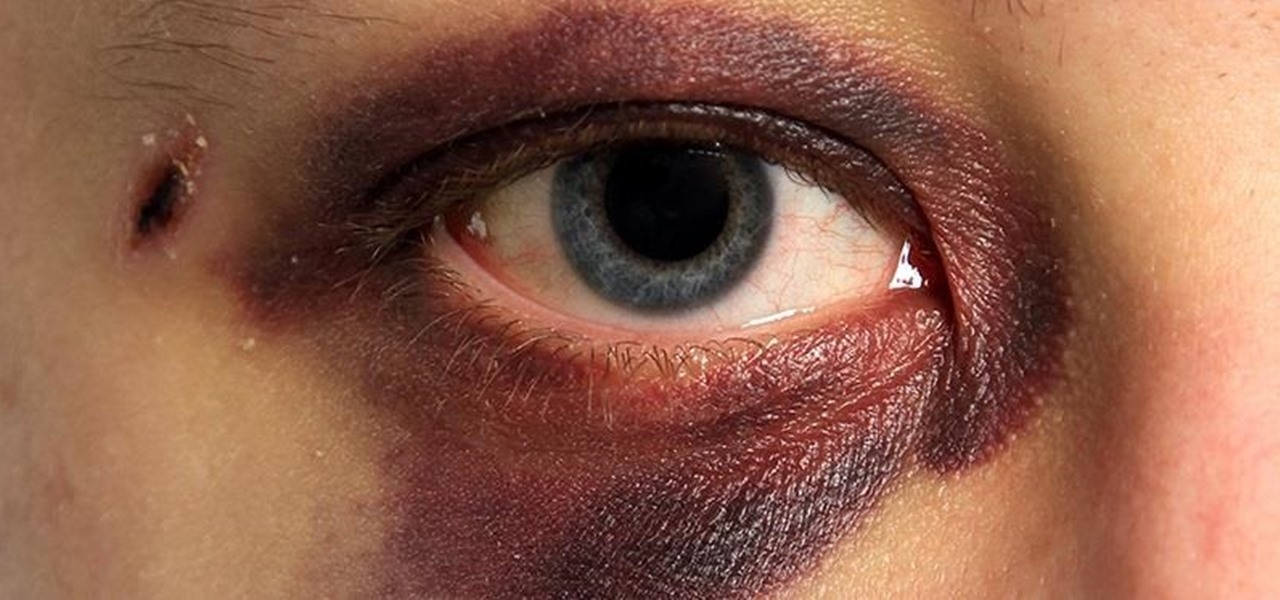
This type of oculoplastic procedure is performed when the orbit or eye socket is damaged because of a severe injury or trauma. This can usually result from being hit directly in the eye with enough force to break the thin bones below the eye and between the eye and the nose. This can also happen from motor vehicle accidents, sports injuries and falls. Because of this, decreased vision, double vision, immobility of the eye balls, pain and number in and around the eyes and nausea and vomiting can be experienced.

Image source: Wonder How To

Before an orbital eye surgery can be performed, a CT scan will be required to assess the severity of the injury. From there, the surgeon will perform the best surgical approach while carefully preserving the function and vision of the eye.


Brow Lift and Face Lift

These procedures may be very common cosmetic procedures, but brow lift and face lift are actually considered within the category of oculoplastic procedures. The procedures involve making incisions within the area of the hairline to remove excess fats and tighten the underlying muscles. These procedures can be done to correct and elevate a drooping eyebrow, which can look cosmetically-challenged or it can obstruct proper vision of an individual. However, it is important to approach a surgeon that is qualified to perform these types of procedures. This is because not all oculoplastic surgeons are trained to perform brow lifts and face lifts.


Botox and Facial Fillers

Interestingly, even Botox injections and facial fillers are well within the scope of oculoplasty. This is especially so when the administration of these anti-wrinkle solutions are performed within the eye area.

Image source: Her World Plus

Getting the right procedure for areas within the eye is as important as the very eye itself. That is why it is always crucial to approach a doctor who will know which procedure should be done for either your eyelids, eye socket, tear ducts and the face.

If you are looking into enhancing your overall feature by getting a quality and natural-looking double eyelid surgery, Dr. Ahnsup Andrew Kim of Advance Cosmetic Beauty Surgery will take a closer look at your eyes and eyelids to properly assess on how the procedure can enhance your natural beauty. Call (02) 9280 3632 now for a free consultation with Dr. Kim.