Showing posts with label post rhinoplasty questions. Show all posts

Friday, 6 June 2014

Postoperative Complications of Rhinoplasty

If there is one thing one should not undermine when considering cosmetic surgery is that there is a slight possibility of encountering postoperative risks and developing complications. Choosing a reliable cosmetic surgeon and strictly following postoperative care instructions can greatly contribute in reducing the occurrence of such possibilities. However, it is still always best that you prepare yourself that this may happen after your procedure.

Image source: http://www.cosmopolitan.com/


Rhinoplasty is by far the one of the most popular surgical cosmetic procedures for both men and women. Despite it being a cosmetic procedure that is performed to enhance on a seemingly simple anatomical facial feature, the slightest mistake can have an impact on the overall aesthetic outcome and functionality of the nose. To say that it is one of the most demanding of facial cosmetic surgeries is an understatement. It requires careful scrutiny of the nose preoperatively, clear judgment on the right technique to use and a meticulous execution of the procedure.

But as stated earlier, the possibility of postoperative complications may likely to happen. Let us look into the possible complications that may arise after a successful rhinoplasty procedure and the factors that can cause it.

Complications that can happen during or after a rhinoplasty procedure are generally divided into four categories.

  • Intraoperative – This is a complication that happens during the surgery. This can result from a reaction of certain medicine or due to the type of anesthesia being used.
  • Immediate Postoperative – This is a complication that happens immediately after the surgery. When this happens, this needs to be immediately handled by the surgeon.
  • Early Postoperative – This type of complication happens the patient has been discharged and upon return to normal routine.
  • Late Postoperative – This complication may occur weeks after the performance of the procedure. This can result to poor postoperative care or due to the nose not healing well independently. For both Early and Late Postoperative complications, the patient must immediately seek the surgeon to treat or correct the complications.

Common Postoperative Complications


Excessive Bleeding


This is probably the most common complication that can happen within any of the four types of complications. Intraoperatively, this can happen due to either genetic or acquired coagulopathy, which is a clotting and bleeding disorder where the blood’s ability to clot or coagulate is impaired. Excess bleeding during the surgery can contribute to difficulty in performing the surgery and increase operating time. That is why if you have a history of genetic coagulopathy, this should be discussed during your consultation. Also, acquired coagulopathy is oftentimes drug induced and can be prevented by taking note of preoperative instructions on which vitamins, supplements or medications you should avoid prior to a rhinoplasty.
Image source: http://www.clker.com/


Minimal bleeding may occur during the first few days after the surgery. However, this can aggravate with improper or neglecting postoperative care instructions by your surgeon.

Scar Hypertrophy


In a previous post, we have discussed the risk of keloid scarring after a rhinoplasty, which is rare to develop in the nose area. On the other hand, hypertrophic scars, which look similar to a keloid scar, may likely to happen if the procedure uses the open rhinoplasty technique. This usually forms near the columella, the soft tissue between the nostrils, where the incision is made. Again, similar with keloids, hypertrophic scars rarely develops in the nose area and when it does form, this usually fades over time.

If you are concerned with scar formation, you may seek the advise of your doctor to perform the procedure using the closed technique, however, this can cause visual limitations for your doctor.

Tip Deformities


One common possible complication with rhinoplasty is tip asymmetry, where the tip of the nose deviates either to left or to the right causing a noticeable imbalance of the nose symmetry.

Image source: http://uxash.wordpress.com/


Another complication that can result to the tip of the nose is tip projection deformity, which can be assessed as inadequate or excessive. This can be addressed by your doctor by performing a simple palpitation on the nose tip to determine whether the nasal tip is well supported by septal cartilage. From there, an appropriate surgical course will be determined. Yet another tip deformity is the development of either broad or narrow tip.

Saddle Nose Deformity


This happens when the nasal dorsum, or nose bridge, is too low. This can result from an overaggressive surgery or over reduction of the dorsal septal cartilage, nasal bone or both. This can be corrected by augmenting the nasal dorsum with cartilage or bone grafts or the use of custom-sculpted implants.  

Hanging Columella


A hanging columella, or columella show, can occur for a number of reasons. This can result from an excess caudal septum, excessive medial crural footplate or from excessive or lack of reduction of the membraneous septum. However, if this complication does occur, it can easily be remedied by evaluating the medial crural footplate to see if this is the cause of hanging columella or by appropriate reduction of the caudal septum.

Pollybeak Deformity


Most complications, which include the Pollybeak Deformity, actually arise from over correction of nose abnormalities instead of aiming to achieve for conservative and natural-looking results. This occurs when the area above the supratip, or the tip of the nose on the bridge, over projects when seen on a profile view. This gives the nose a look similar to that of a parrot’s beak.

Image source: http://www.unitedmask.com


This is caused by excess residual septal cartilage, prominent nasal tip cartilage, subcutaneous scar tissue and tip drooping or over-resectioning of the bridge above the supratip. Remedies for this complication include reducing the dorsal septum, removing scar tissue or restoring tip support and projection.  

Breathing Problems


More than the aesthetic-related complications, one of the greatest possible concerns is breathing problems. After all, even if you have achieved a balanced result, but have trouble breathing, then your rhinoplasty is brought to naught and can pose a serious problem. While it is uncommon, airway obstruction can still occur even after recovering from the procedure.

Image source: http://homeremedies4everything.blogspot.com/


Breathing problems after a rhinoplasty can occur from the development of scar tissue in the nose, uncorrected deviated septum or collapse of nasal skin because of inadequate support. If breathing problem does happen, seek the help of your doctor to see the cause and so that he can perform the appropriate treatment for this complication.

These are just some of the more common complications that may occur after a rhinoplasty. Medscape has a comprehensive list of other postoperative rhinoplasty complications.

Complications are Extremely Rare


Complications after a cosmetic surgery is indeed something that can cause worry and even hesitation. However, the occurrence of complications is extremely rare, especially when you are in the hands of a well-trained, experienced and credible cosmetic surgeon. Also, a great factor in a healthy recovery and result is following the postoperative care instructions of your doctor.

If you want to get your nose improved without worrying about the high chance of complications, you can rely on Dr. Ahnsup Andrew Kim of Advance Cosmetic Beauty Surgery. Dr. Kim has an extensive experience in performing rhinoplasty and has produced natural-looking results without a glitch from a number of satisfied patients. You can schedule a free consultation with him to discuss how he will safely perform the procedure on you with the appropriate and safe techniques. Call now to book your free consultation with Dr. Kim.

Friday, 2 May 2014

12 Essential Vitamins and Minerals for a Speedy Cosmetic Surgery Recovery

Ensuring a speedy recovery is extremely crucial when having a cosmetic surgery done. That is why post-operative care is as important as preparing and researching for a surgery. It does not matter whether you are going for a rhinoplasty or a full-blown facelift, it is imperative that you should strictly follow the post-operative instructions given by your doctor. Recovery from a surgery highly rests upon you to make sure that complications and side effects are kept at its minimum, at the very least.

Image source: http://www.360newsfeed.com/


After every surgery, your doctor will prescribe you with a regimen that will make sure that you will be able to recuperate and heal efficiently from the trauma your body or a certain body part went through after a procedure. Naturally, for example, this could result to experiencing slight discomfort and pain. In a WebMD video, Dr. Robert Kotler, FCAS, Clinical Instructor at the Division of Head and Neck Surgery at UCLA Medical School, mentioned that patients should take the prescribed medication once pain is experienced. This is because pain can increase blood pressure, which could translate to bruising or cause excessive bleeding underneath the treated area. This could eventually result to poor healing or to an opening of the surgical wounds.

Another thing that Dr. Kotler pointed out is that during the cosmetic surgery healing period, the body needs to repair themselves. This can be achieved through the healthy eating, drinking of water and fruit juices and, of course, through the intake of vitamins. However, Dr. Kotler clearly pointed out that it should be right vitamins and minerals that promote proper healing of the body. So if you are on your way to the operating table days from now and want to know which vitamins can help you achieve speedy recovery, here the top 12 vitamins that you should stack up to be ready for a quick, safe and healthy healing process.

Vitamin C


This popular vitamin that is most associated to preventing us from getting sick is at the top of the list of essential vitamins that you need to take after surgery. In fact, your doctor will recommend that you take Vitamin C even days before you undergo surgery to get you started by building your body to a healthy recovery. It helps support and boosts the immune system and contains antioxidant properties protecting the cells from getting further damage. It also manages and balances the blood pressure, as well as reduces constipation. Apart from these, since Vitamin C is an essential component in collagen production, it is useful in wound healing of all types, from burns, cuts to surgical wounds.

Image source: http://www.tushky.com/

A majority of fruits and vegetables are rich in Vitamin C content. Among those food that are packed with this immune boosting vitamin are oranges, tomatoes, kiwi, bell peppers and kale. However, supplementation is usually recommended 2 weeks before the surgery and to continue until the fourth week after the procedure with a suggested dose of 1,000 to 2,000 mg per day.

Vitamin A


Another vital vitamin that aids in proper healing is Vitamin A. Its role in collagen formation and production is what makes this mineral a must have when you recovering from a cosmetic surgical wound. It helps initiate reparative behavior in tissues, boosts the immune system and promotes great skin health. It also aids in the protection against bacterial and viral infections.

Image source: http://health.india.com/

Important sources of Vitamin A include Tuna fish, dark leafy vegetables, carrots, apricots, sweet potato and squash. Daily intake recommendations for Vitamin A are 900 mg or 3,000 IU in men and 700 mg or 2,300 IU in women. However, Vitamin A should be taken with precaution as an overdose can cause jaundice, nausea, vomiting, loss appetite and hair loss.

B Vitamins


The 11 components of this energy boosting vitamin complex is also one of the essentials in ensuring a healthy post cosmetic surgery recovery. It helps speed up the healing process by helping in collagen linkage and fights against infections. It also required in protein and DNA synthesis, as well as in the formation of red blood cells, which supply the wound with the required oxygen.

Image source: http://keithburgess-jackson.typepad.com/

High concentrations of B Vitamins can be found in seafood, red meat, fortified cereals, soy products, low fat dairy and eggs. It is recommended that you choose a supplement that contains all the 11 B Vitamins components to ensure that you can benefit from its wound healing advantages.

Vitamin K


There are quite a few vitamins that are not so popular but are important in wound healing, especially after getting a cosmetic surgery. One of which is Vitamin K. Its major benefit in ensuring proper recovery is its ability and function for blood clotting, which helps surgical wounds heal properly.

Image source: http://therightsolutionsonline.com/

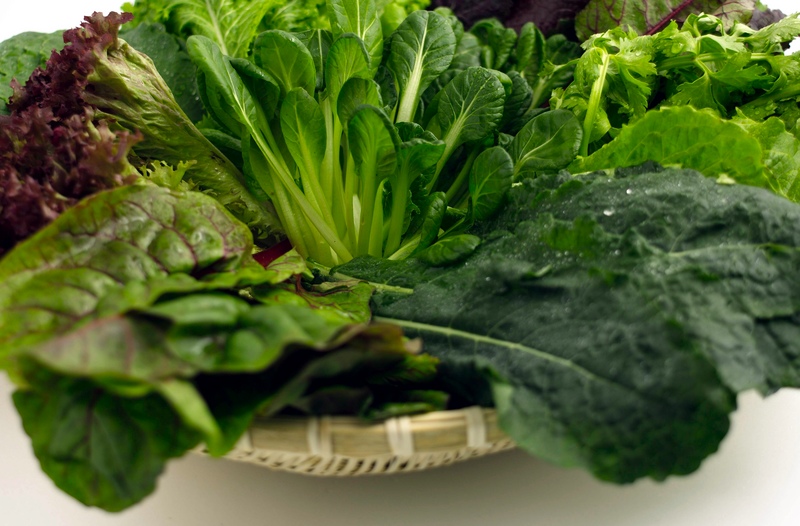
It can be found in green leafy vegetables, like broccoli and spinach, and in cereals. Since our body needs only about 0.001 mg per day per kilogram of body weight, natural sources can suffice for your daily Vitamin K needs.

Zinc


This is often neglected mineral is vital in wound healing. It plays a role in the immune system, as well as in protein and DNA synthesis and cell division. It is involved in tissue and wound healing, regeneration and repair.

Image source: http://www.happylifestyletips.com/

Zinc can be sourced from poultry, red meat, whole grains, nuts, beans and dairy products. According to MayoClinic, 220 mg of zinc sulfate has to be taken three times daily for incision wounds to promote wound healing. It is also important to remember that zinc can become toxic if not taken with Vitamins A & C, so it is best to take these three together.

Bioflavonoids


One of the vitamins that may be unfamiliar to most are bioflavonoids. Bioflavonoids are the substance that gives fruits and vegetables their bright orange or yellow colors. These are mostly found on the skin of fruits and vegetables and are considered to be powerful anti-oxidants. It helps get rid of damaging free radicals and increases the antioxidant action of other nutrients. Together with Vitamin C, it acts to help maintain the thin walls of the capillaries and strengthening the walls of the blood vessels. This helps in the prevention of excessive bleeding and bruising. Apart from that, it also has anti-bacterial properties, controls inflammation, reduces allergic reactions and is needed by the immune system to be at its peak level.

Image source: https://susankiernanlewis.wordpress.com/

Bioflavonoids are typically found on citrus fruits, bell peppers, grapes, onions, garlics, berries, green tea and buckwheat. There supplementations available and it should be taken with Vitamin C for better absorption. The recommended daily dosage of bioflavonoids is 500 mg.

Probiotics


If you want to have a quick and safe healing after a cosmetic surgery, the best way to do this is to incorporate healthy dietary changes. One of the healthy dietary changes that one should do before and after surgery is to introduce probiotics into your system.

Probiotics are friendly bacteria that most of you may associate with the digestive system. It helps treat irritable bowel syndrome, as well as constipation. Its action on the bowel movement of the patient, especially when one is constipated, helps to avoid having to exert too much pressuring when you are relieving yourself, which could result to bleeding and bruising. But more importantly, probiotics can help protect you from bacterial infections and helps boost surgery recovery.

Image source: http://www.truthaboutabs.com/

Excellent sources of natural probiotics are yogurt, sauerkraut, aged cheese and some soy products. There are also other food that are fortified with probiotics, like chocolates, fruit juices and cereals. To help the body heal after surgery, a recommended dose of 1 billion to 450 billion colony forming units (CFU) is needed. So, it is best to watch out for these numbers on the nutritional facts labels on your food choices.

Copper


Another mineral that is essential in wound healing after a cosmetic surgery is copper. It is required and plays a significant role in cross-linking and strengthening connective tissues. Typically, copper is included in the post-surgical nutritional program to be recommended by your doctor to promote wound healing.

Image source: http://curegouthomeremedies.com/

Some of best sources of copper are liver, seafood, kale, mushroom, sesame seeds, cashew nuts, prunes, dark chocolate and avocado. Copper supplements should be taken as prescribed by your doctor, as it can become poisonous if taken in large amounts. A recommended dose is between 2 to 4 mg per day. It is even suggested that you should start taking copper 2 weeks prior to your surgery date.

Selenium


This may be one of the more unheard of minerals and can normally be found in soil. But, while you only need small amounts of it, selenium plays an important role in the metabolism and wound healing post-surgery. It contains antioxidant properties, helps protect the cells and reduces edema or swelling after surgery.

Image source: http://www.fitho.in/

The recommended dietary allowance for selenium in adults is 55 micrograms per day. Excellent natural sources of selenium are Brazil nuts, fish, beef, poultry and grains. It is important to take note that an overdose of selenium can cause side effects, from the simple bad breath to the more serious kidney, liver and heart problems.

Magnesium


Magnesium is a mineral that is present in the body and hosts a myriad of health benefits. It helps maintain bone integrity, enables energy production and maintains nervous balance system. However, what makes it an essential mineral post-cosmetic surgery is its ability to enhance control of inflammation and blood sugar and helps relax the blood vessels. Magnesium is important in supporting normal immune function and tissue repair after a surgery. Also, it is used as a laxative for constipation.

Image source: http://saastastebuds.wordpress.com/

One of the best sources of magnesium is fiber, as well as green leafy vegetables, nuts, seeds and beans. And if you are into juicing your vegetables, this is even more beneficial to ensure that you get enough of this post-surgery mineral into your system.

L-Arginine


Most men would be familiar with what L-Arginine is. It is typically used among bodybuilders to boost the immune system and improve the athletic performance. If you not familiar, L-Arginine is an amino acid, which is used to make nitric oxide in the body, a chemical compound that helps relax blood vessels and improve blood flow. It is also an important building block of proteins, which helps repair damaged tissues after surgery.

According to MayoClinic, the recommended dose for wound healing is 30 mg of arginine aspartate divided into three doses for two weeks or 36.2 grams of Arginine HCL for five days. Naturally, this can be found in red meat, poultry, fish and dairy products.

L-Glutamine


Another amino acid that is essential in wound healing is L-Glutamine. It works similarly and has the same benefits as with L-Arginine. It is important in providing nitrogen and carbon to cells in the body, which is necessary to repair the wounds. Recommended dosage for L-Glutamine is between 5 to 20 grams per day.

When seeking to get cosmetic surgery, you should never undermine the importance of taking care of your body when you are recovering. This list of essential vitamins and minerals will help you ensure a speedy and healthy healing process. However, this does not mean that you load up supplements to give your body their healing benefits. Incorporating food that are rich in these vitamins and minerals are always the best and natural way to get it.

If you are decided on getting a cosmetic surgery, like rhinoplasty or double eyelid surgery, you can trust that Advance Cosmetic Beauty Surgery will provide you with a comprehensive list of post-operative care, which includes vitamins, to help you recover quickly and enjoy your new enhanced look. Call now and schedule for a free consultation with Dr. Ahnsup Andrew Kim.

Monday, 11 November 2013

12 Questions to Ask Before Getting Asian Rhinoplasty or Nose Job

It's only normal to raise a lot of questions on a surgery that can change your look forever.

Here is a list of questions that you might have asked yourself before getting Asian rhinoplasty.

1. I am afraid of general anesthesia, what other options do I have?

Rhinoplasty is generally done through general anesthetic, but for some cases IV sedation an also be used. This will not knock you out totally as with general anesthesia, but it can make you experience more side effects while under it. Even under the influence of anesthesia, the local effect will still make you aware of some sensations.

2. Are there risks involved with rhinoplasty?

Rhinoplasty is a safe procedure but it also has a number of risks. Usually the common risks involved the procedure involves the adverse reaction to general anesthesia, infection and excessive bleeding. The possibilities of this happening can either be minimized or avoided.

3. What age is most appropriate for rhinoplasty surgery?

It is best for a patient to get rhinoplasty surgery when he or she has reached the full and stable growth of the nose. It’s around 15-16 for females, and 16-17 years for males. It is also important that the patient is mature enough to take care of his or her new nose, especially during the immediate healing period. On the other hand, there is no age limit as to the maximum age a person can get rhinoplasty, just as long as he or she is generally healthy.

4. Are there different approaches to rhinoplasty?

Yes, you can either choose open or closed rhinoplasty. The open technique takes on a more invasive nature because the skin of the nose has to be incised so that the internal structures underneath can be properly visualized. The close technique on the other hand has a more conservative approach because the incisions are made insde the nose. But there will be a limited visual field and scope of improvement. The approach used will depend on your goal after surgery.

5. How can I prepare for a rhinoplasty?

You should physically, psychologically and financially prepare for rhinoplasty. You have to be generally healthy so that you can qualify as a good candidate for the procedure. Certain health conditions and medications can hamper your ability to qualify for nose surgery.

Psychologically, you need to have realistic expectations about rhinoplasty. Otherwise, you will never be contented with the outcome. You have to accpet the fact that there will be limitations depending on the surgeon's evaluation.

Financial preparation is also important because rhinoplasty is also an expensive procedure. If the surgery is done mainly for aesthetic reasons, this will not be covered by insurance, but if accidents or congenital conditions are causing an impediment to breathing, some will cover all or part of the costs.

6. What can I expect during rhinoplasty surgery?

Generally, rhinoplasty can be performed through general anesthesia with the entire procedure usually lasting for not more than two hours.

7. What are the alternatives to rhinoplasty?

There is no alternative to the surgical enhancement of the nose. But if the purpose of your surgery is to improve its breathing function, then you can use nasal strips to correct the problem non-surgically.

8. What can I expect after rhinoplasty?

You can expect the results of your rhinoplasty once the swelling has gone down, and also when the splint is taken off. Expect to have some discomfort for the next few weeks due to the nasal stuffiness. It can take up to a year for the final results to be achieved.

Heidi Liow kept a video diary during her recovery from Rhinoplasty. She talks about how she feels before and after the surgeries. Note that the recovery process after the surgery may vary depending on individuals.


9. How long after normal breathing can be restored after surgery?

This will vary for each person; however some patients report that they notice a slight improvement in breathing in the first day after surgery. But usually, patients will feel stuffiness for weeks due to the swelling both inside and outside the nose. This can be relieved through nasal saline spray to reduce the swollen internal structures. 

10. How long will it take for the swelling to go down?

The swelling that occurs immediately after the surgery can take around 4-6 weeks. After this time, you can now start to see the nose's new form. But the final result can take place after a year. But this will vary for every patient because there are other factors that are also at play.

11. Is there anything I can do to assist in the healing process?

A healthy and balanced diet is important to good healing. You need to avoid foods that are high in sodium because this will only aggravate the swelling. Limit it to 1200 mg of sodium per day.

It is also important to elevate your head while lying down because this can minimize the swelling on the surgical area. In this way, you can hasten the healing and prevent complications.

12. How long should I wait until I can get a revision rhinoplasty if I don't like the first results?

It is advised that patients who are unsatisfied with their results wait for a year after their first surgery to get a revision. This amount of time is enough for the swelling to have gone down, because prematurely getting a secondary rhinoplasty even while the nose is still inflamed will only hamper the healing process.